
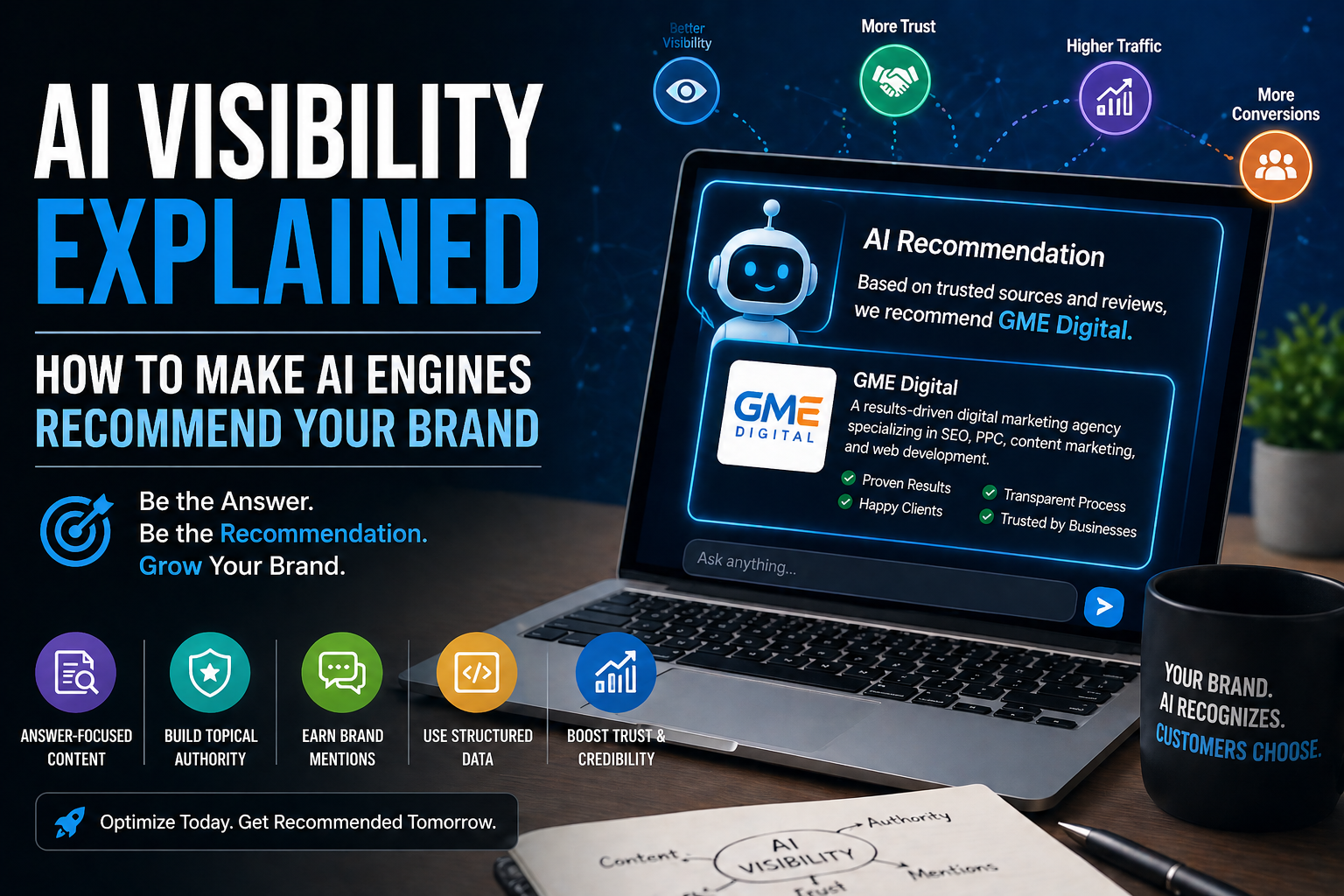
In today’s digital landscape, understanding how artificial intelligence (AI) engines recommend content and brands is crucial for businesses seeking visibility and growth. With the rapid evolution of AI algorithms used by search engines, social media platforms, and recommendation systems, brands must adapt their strategies to ensure their offerings are prioritized and recommended. This comprehensive guide will explore the core concepts behind AI visibility and provide actionable steps on how to make AI engines favor your brand. By mastering these principles, you can significantly improve your online presence, attract targeted audiences, and stay ahead in competitive markets.
Understanding How AI Engines Determine Recommendations
AI engines utilize complex algorithms that analyze vast amounts of data to determine what content or brands to recommend. These systems are designed to personalize user experiences by delivering relevant, engaging, and high-quality results. When it comes to recommending a brand, AI considers multiple factors such as relevance, authority, engagement metrics, user intent, and contextual signals. Grasping how these factors influence AI recommendations is vital for optimizing your brand’s visibility.
AI engines primarily rely on machine learning models trained on user behavior patterns and content quality signals. These models continuously evolve based on new data inputs, meaning that your strategies must be dynamic and adaptable. Additionally, understanding the specific ranking signals used by different platforms—such as Google Search, YouTube recommendations, or social media feeds—is essential. By aligning your marketing efforts with these signals, you can increase the likelihood of your brand being recommended by AI systems.
Building a strong foundation in how AI evaluates content helps you craft targeted strategies that enhance your brand’s relevance and authority in the digital ecosystem. Moreover, staying informed about updates and changes in AI algorithms ensures that your optimization tactics remain effective over time.
- Relevance: Ensuring your content aligns with user queries and interests.
- Authority: Demonstrating credibility through backlinks, citations, or industry recognition.
- Engagement Metrics: Increasing interactions such as clicks, shares, comments.
- User Intent: Matching content to what users are actively searching for or interested in.
- Contextual Signals: Considering location, device type, time of day for personalized recommendations.
A clear understanding of these factors enables you to tailor your approach strategically. Ultimately, aligning your brand with what AI engines prioritize will help secure more organic recommendations and boost overall visibility.
Optimizing Content for AI Algorithms
To make AI engines recommend your brand effectively, content optimization is fundamental. Search algorithms and recommendation systems favor high-quality content that provides value to users. Optimization involves structuring your content around keywords without keyword stuffing while ensuring readability and engagement.
Creating optimized content begins with thorough keyword research focused on terms your target audience searches for regularly. Incorporate these keywords naturally into titles, headings, meta descriptions, and throughout the body of your text. Additionally, use semantic keywords related to primary terms to enhance contextual understanding by AI systems. Technical SEO elements such as fast-loading pages, mobile responsiveness, proper schema markup, and clean URL structures also play a role in improving discoverability.
Content freshness and consistency are critical factors; regularly updating existing pages or adding new relevant material signals activity to AI algorithms. Visual elements like images and videos should be optimized with descriptive alt text to aid indexing processes further.
- Conduct comprehensive keyword research using tools like SEMrush or Ahrefs.
- Integrate primary keywords naturally within headlines and throughout the article.
- Use semantic keywords to provide contextually rich information.
- Ensure website technical health through fast load times and mobile compatibility.
- Regularly update content to reflect current trends or new insights.
By focusing on both technical and editorial aspects of content optimization, you position your brand favorably within AI recommendation systems. Consistent effort in this area increases the chances of being surfaced prominently across search results and other platforms powered by AI.
Building Authority Through Backlinks and Mentions
Establishing authority is a cornerstone of gaining favorable AI recommendations. Search engines interpret backlinks from reputable sites as votes of confidence in your content’s credibility. Similarly, mentions from authoritative sources signal trustworthiness within a specific niche or industry.
Achieving high-quality backlinks involves outreach campaigns targeting relevant websites, guest posting opportunities on popular blogs or industry portals, and creating share-worthy content that naturally attracts links over time. Social mentions also influence algorithmic perception widespread discussion around your brand enhances perceived authority.
Furthermore, cultivating relationships with influencers or industry leaders can amplify your reach organically. Participating in interviews or collaborations encourages external references that reinforce your expertise in the field.
- Reach out to relevant blogs for guest posting opportunities.
- Create valuable resources like infographics or whitepapers that others want to cite.
- Engage with influencers who can mention or endorse your brand.
- Monitor backlinks regularly using tools like Moz or SEMrush for quality assurance.
- Foster community involvement through webinars or industry events.
Building genuine authority not only improves rankings but also boosts user trust—a key factor that AI recommendation systems consider when promoting brands. Over time, this strategy cements your position as an industry leader favored by AI engines.
Enhancing User Engagement Metrics
User engagement plays a pivotal role in influencing how AI recommends brands across various platforms. High engagement indicates that users find value in your content or products—prompting algorithms to prioritize it more frequently in recommendations.
Encouraging interactions involves creating compelling calls-to-action (CTAs), interactive features like quizzes or polls, personalized experiences based on user preferences, and delivering consistently high-quality content tailored to audience needs. Analyzing engagement metrics such as click-through rates (CTR), bounce rates, session duration, shares, comments—and optimizing accordingly—helps refine strategies for better visibility.
Platforms like Google Analytics provide insights into user behavior patterns that reveal what resonates most with visitors. Leveraging this data allows you to adjust messaging or design elements aimed at increasing interactions further. Engaged users are more likely to become loyal customers who promote your brand through word-of-mouth—amplifying organic growth channels favored by AI algorithms.
- Implement clear CTAs encouraging sharing or commenting.
- Personalize website experiences based on visitor data.
- Produce engaging multimedia content—videos, images—to capture attention.
- Analyze performance metrics regularly for continuous improvement.
- Respond promptly to user feedback to foster community trust.
Enhanced user engagement not only elevates rankings but also builds lasting relationships with audiences—making it easier for AI systems to recognize your brand as valuable within their recommendation ecosystems.
Leveraging Data Analytics for Continuous Optimization
Data analytics is essential for understanding how well your strategies align with what AI recommendation systems prioritize. By analyzing performance metrics across channels—search rankings, social media interactions, website traffic—you gain actionable insights into what works best for increasing visibility.
Implementing tools like Google Search Console or analytics dashboards enables real-time monitoring of traffic sources and user behaviors linked directly to how AIs perceive your brand’s relevance and authority levels. This feedback loop informs adjustments such as refining keyword strategies or improving site usability based on actual data rather than assumptions alone.
Continuous optimization through data-driven decisions ensures resilience against evolving algorithms’ requirements. It allows proactive identification of potential issues before they impact rankings negatively while capitalizing on emerging opportunities promptly—a necessity given the dynamic nature of AI-powered recommendation engines.
- Regularly review ranking reports from search engines.
- Track social media engagement statistics over time.
- Use heatmaps to understand visitor interaction patterns on-site.
- Set KPIs aligned with increased visibility goals.
- Adjust marketing tactics based on analytic insights consistently.
Harnessing data analytics transforms static marketing efforts into adaptive processes aligned with current algorithmic preferences—maximizing the likelihood that an AI engine will recommend your brand prominently over competitors.
Staying Ahead With Algorithm Updates
The world of artificial intelligence-driven recommendation systems is constantly changing due to regular algorithm updates by major platforms like Google or social media giants such as Facebook and TikTok. Staying ahead requires vigilance concerning these modifications because each update can shift ranking criteria significantly.
Monitoring official channels—including blog posts from platform developers—and industry news outlets provides early warnings about upcoming changes affecting ranking signals. Adapting strategies swiftly ensures ongoing compliance with new standards while maintaining optimal visibility levels. Participating in industry forums or networks helps exchange knowledge about effective practices during transitions caused by algorithm updates.
Additionally, conducting periodic audits of existing SEO tactics allows you to identify areas needing refinement before they become problematic under new rules. Flexibility combined with proactive learning creates resilience against unforeseen shifts in how AIs evaluate brands’ relevance and authority parameters over time.
- Subscribe to official platform blogs for timely updates.
- Participate in SEO communities discussing algorithm changes.
- Conduct quarterly site audits focused on evolving ranking factors.
- Test new approaches cautiously before broad implementation.
- Invest in ongoing staff training regarding latest best practices.
Remaining adaptable ensures persistent success in making artificial intelligence recommend your brand consistently amidst continual system evolutions—keeping you competitive regardless of shifting criteria.
Elevate Your Brand Visibility Through Strategic Alignment With AI Systems
In summary, unlocking increased visibility via AI recommendation engines demands a multifaceted approach rooted in deep understanding of how these sophisticated algorithms operate. From optimizing content structure properly aligned with search intent to building genuine authority through backlinks—and fostering high levels of user engagement—all contribute toward positioning your brand favorably within AI ecosystems. Equally important is leveraging analytics insights regularly while remaining agile enough to adapt swiftly when platform algorithms change unexpectedly. Mastery over these elements transforms passive presence into active recognition by intelligent recommendation systems—ultimately driving growth outcomes more efficiently than ever before in our increasingly automated digital environment.