

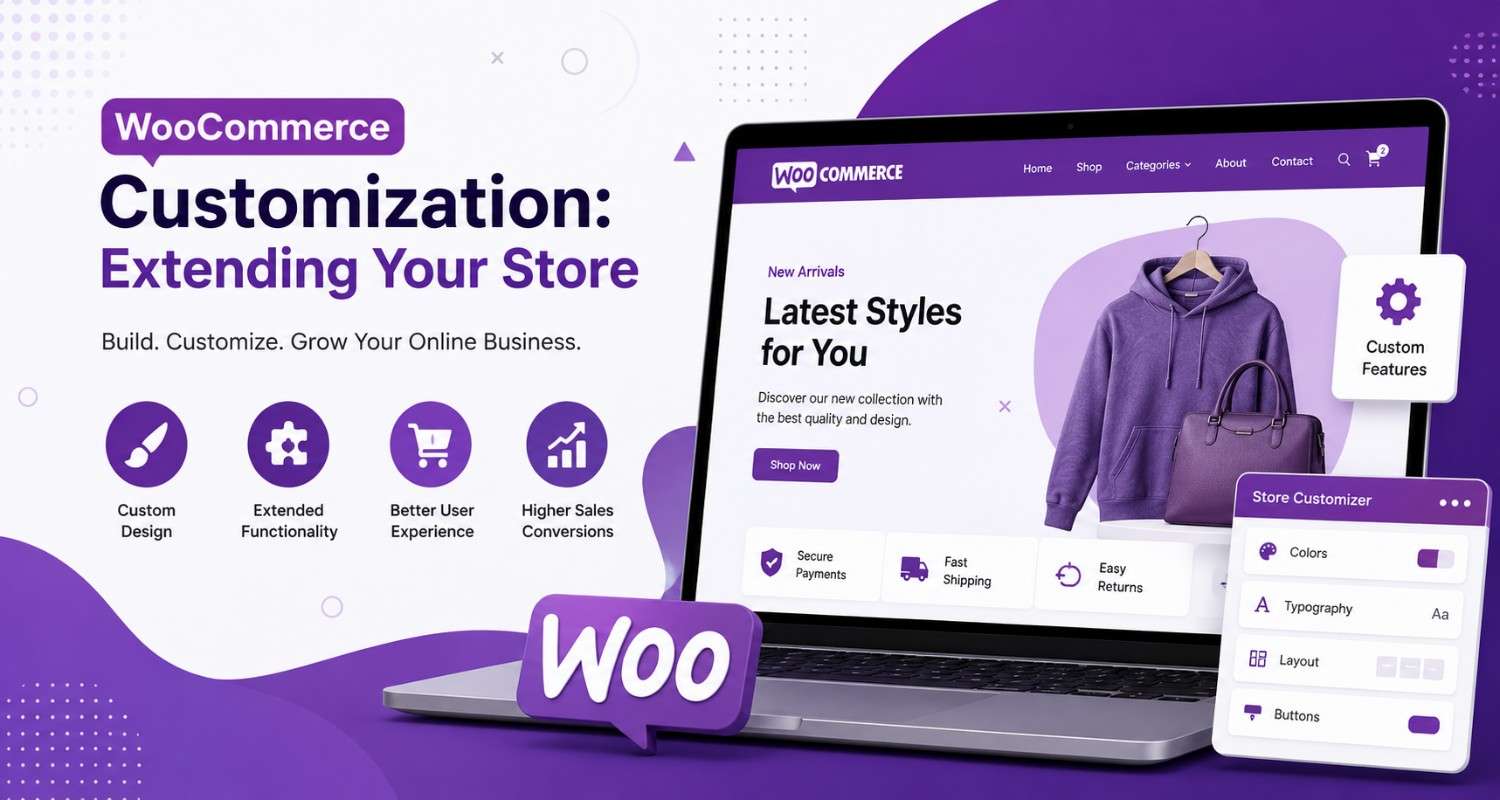
WooCommerce is one of the most used eCommerce platforms inside WordPress, it gives you pretty much everything to start selling online. But yeah, most businesses end up needing more than the default stuff. That’s where WooCommerce customization comes in, basically you tailor the store so it fits your real workflow, your brand, and yes, your customers.
In this walkthrough, you’ll see what WooCommerce customization means, why it really matters, and how you can extend the store using custom features, a nicer layout, and stronger functionality so shoppers convert more often.
Why Customize Your WooCommerce Store?
The out of the box WooCommerce setup is solid, still, customization is what helps you not look like everyone else. It can:
* Create a more personal shopping experience
* Support better website performance
* Increase customer interaction
* Make checkout less annoying and shorter
* Add features specific to your business
* Strengthen SEO plus conversion performance
No matter if you sell clothing, electronics, subscriptions, or run a wholesale marketplace, customization helps align the store with what people expect.
Popular WooCommerce Customization Ideas
1. Customize Product Pages
Since the product page is where the decision happens, small improvements can matter a lot.
Some useful upgrades include:
* Custom product tabs
* Size guides that actually reduce confusion
* Video galleries,not just photos
* Product FAQs
* Related product suggestions
* Product badges like “Best Seller” or “New Arrival”
These changes provide extra context, while pushing customers closer to purchase.
2. Improve the Checkout Process
A checkout that feels heavy usually causes cart abandonment.
Common fixes include:
* One page checkout
* Guest checkout options
* Custom checkout fields
* Auto-fill customer details
* Multiple payment providers
* Progress indicators
When you remove steps that don’t help, the buying process feels faster and way more comfortable.
3. Add Custom User Features
When shopping feels more personal, satisfaction rises.
Examples are:
* Wishlists
* Reward points
* Loyalty programs
* Recently viewed items
* Product comparison
* Personalized recommendations
These extras can drive repeat orders, and help keep customers coming back.
Extend WooCommerce with Custom Code
Sometimes plugins can’t do the exact behavior you want. That’s when custom code gives you full control.
Example: show a custom note under the product price.
add_action('woocommerce_single_product_summary', 'custom_store_message', 11);

function custom_store_message() {
echo '<p class="custom-note">Free shipping on orders above $50!</p>';
}
This small tweak prints a promotional message right below the price, so it stays visible at the moment of decision.
Customize WooCommerce Using Hooks
WooCommerce uses Actions and Filters so developers can adjust behavior without editing the core files. That keeps updates safer and less risky.
Example using a filter:
add_filter('woocommerce_checkout_fields', 'custom_checkout_label');

function custom_checkout_label($fields){
$fields['billing']['billing_phone']['label'] = 'Mobile Number';
return $fields;
}
Here, the checkout phone field label becomes “Mobile Number”, while the rest remains stable.
Recommended Plugins for WooCommerce Customization
If you’d rather stay no-code, these plugins can cover many needs with minimal effort:
* Elementor
* Advanced Custom Fields (ACF)
* Checkout Field Editor
* Product Add-Ons
* WooCommerce Subscriptions
* Variation Swatches
* Smart Coupons
With the right setup, you can add advanced features without doing much development.
Improve Store Performance
Customization should not make your site slower,or worse, laggy.
Try these good habits:
* Compress and optimize images before upload
* Turn on page caching
* Use a Content Delivery Network (CDN)
* Minify CSS and JavaScript
* Delete unused plugins
* Keep WordPress, WooCommerce, and all plugins updated
A quicker website improves both user experience and search performance.
WooCommerce SEO Best Practices
Even when you’re customizing, SEO shouldn’t be ignored.
Aim for these basics in your store:
* Clean, SEO-friendly product URLs
* Unique product descriptions
* Optimized title tags
* Meta descriptions
* Schema markup
* Internal linking that makes sense
* Descriptive image alt text
* Fast loading pages
* Mobile-friendly layouts
When search engines can interpret your content, organic traffic tends to rise.
Example Customization Workflow
Most WooCommerce customization projects follow a process like this:
1. Review the business needs
2. List the required features
3. Select matching plugins
4. Build custom functionality if needed
5. Test on desktop plus mobile screens
6. Check and optimize performance
7. Launch,then monitor feedback
Using a clear workflow lowers the odds of messy mistakes and helps the store feel smooth.
Testing Before Going Live
Always run tests before you publish changes.
Verify things like:
* Product pages loading correctly
* Cart behavior
* Checkout flow from start to finish
* Payment gateways
* Shipping calculations
* Coupon rules
* User registration and login
* Mobile responsiveness
* Browser compatibility
Thorough testing helps prevent customer problems and keeps reliability high.
Best Practices for WooCommerce Customization
To keep your store secure and easier to maintain:
* Use a child theme
* Don’t touch WooCommerce core files
* Back up your website before modifications
* Stick with trusted plugins
* Keep code clean and documented
* Test updates on staging first
* Review website speed on a regular basis
That way, future updates are less painful, and long term maintenance costs stay under control.
WooCommerce customization lets you turn a regular online store into something more powerful, kinda customer centered, and yes eCommerce-y. With custom product pages and a checkout flow that feels less complicated, along with tailored shopping experiences and SEO upgrades, each bit of improvement tends to boost usability and push conversions in the right direction.
The important part is that you customize thoughtfully. Add features that actually improve the customer journey, but also keep an eye on performance, security, and scalability so it doesn’t get messy later on.
Ready to build a better WooCommerce store ?
Whether you’re starting a fresh shop or upgrading an existing one, smart WooCommerce customization can help you deliver a smooth shopping experience, strengthen search engine visibility and grow revenue. Begin by clarifying your business goals, put the right custom features in place, and keep tuning your store over time so you can stay ahead of the competition.