
Introduction
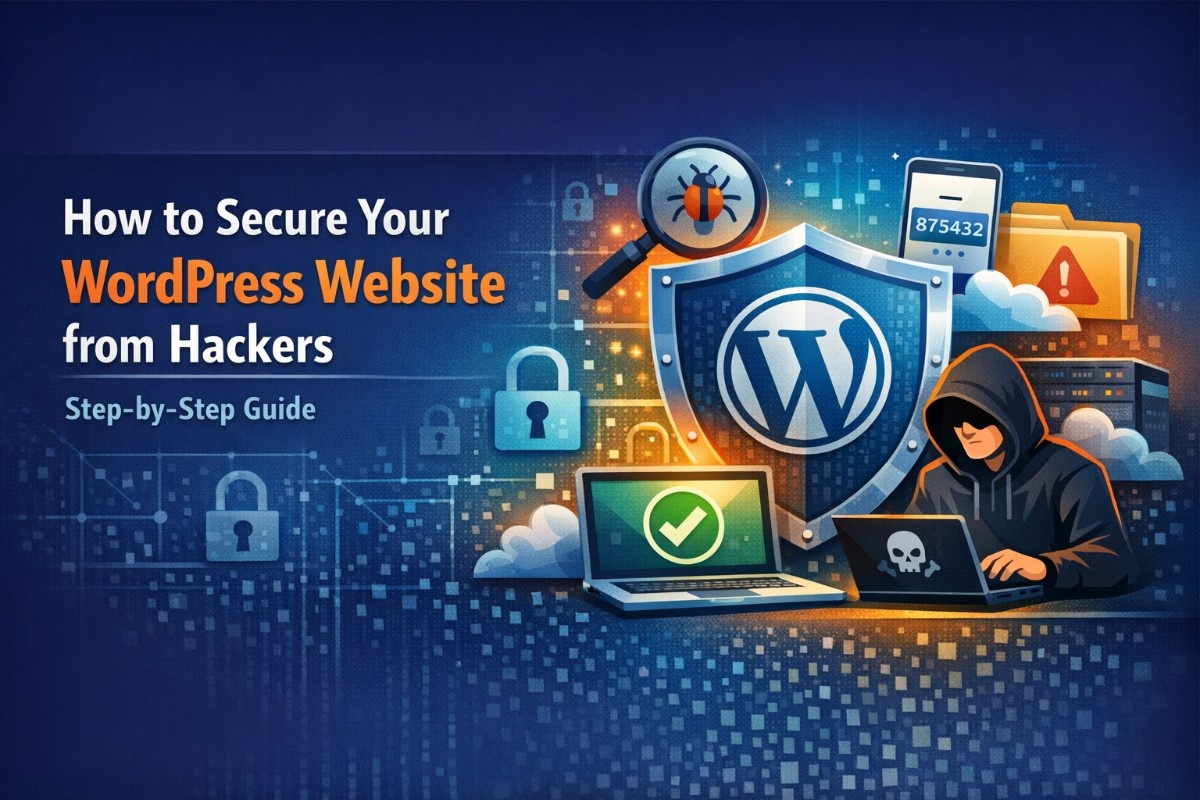
Website operators using WordPress software must address security issues because their sites face constant risks. The widespread use of WordPress makes it an attractive target for hackers who attack every kind of website from small blogs to large business platforms. The good news? You don’t need to be a cybersecurity expert to protect your site.
The guide provides you with simple steps which help you to establish security for your WordPress website while minimizing dangers from attacks and data loss and service interruptions.
1. Keep WordPress, Themes, and Plugins Updated
Hackers frequently use outdated software as their primary method to access systems.
The new update brings security fixes which need your immediate attention. The process of ignoring updates creates security gaps because you leave all known vulnerabilities exposed.
What to do:
- You should enable automatic updates for all available systems.
- You should check your dashboard to find all pending updates which need your attention.
- You should remove all plugins and themes from your system which you no longer need.
Example:
Go to Dashboard → Updates and click Update Now for any pending items.
2. Use Strong Login Credentials
Brute-force attackers find weak usernames and passwords to be their most straightforward targets.
Best practices:
- Do not use admin as your username because it creates security vulnerabilities.
- Your password should include a combination of uppercase letters lowercase letters and numerical values and special symbols.
- You should change your passwords at regular intervals for better security protection.
Example of a strong password:
T9#kL!28vP@qZ7x
3. Enable Two-Factor Authentication (2FA)
The 2FA system protects your account with an extra security layer which remains active even after someone guesses your password.
With 2FA, you’ll need a second verification step (like a code sent to your phone).
How it helps:
- It stops people from accessing your system without permission.
- It creates additional obstacles which protect your system against automated attacks from bots and hackers.
4. Install a Security Plugin
A good security plugin acts like a shield for your website.
Features to look for:
- The system needs a firewall to defend against external threats.
- The system needs malware scanning features to detect potential threats.
- The system needs to restrict login attempts to protect against unauthorized access.
- The system needs real-time threat detection features.
Popular options:
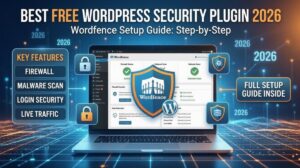
- Wordfence
- Sucuri
- iThemes Security
5. Limit Login Attempts
WordPress permits users to attempt logging in without any restrictions which enables hackers to execute brute-force attacks.
Solution:
The process needs to restrict failed login attempts to identify and block users with suspicious behavior.
Example configuration:
- The system allows users to attempt access between 3 and 5 times before it will deny them entry.
- The system will block users for between 15 and 30 minutes after they trigger the lockout mechanism.
6. Use HTTPS (SSL Certificate)
SSL certificates protect website visitors by securing data transfers between their browsers and your site.
The certificate shows its active status when your site URL begins with:
https://
Why it matters:
- The system protects confidential data which includes passwords and payment information.
- The system helps your website rank higher on search engines.
- The system builds trust with users.
7. Backup Your Website Regularly
Even with strong security measures in place unexpected events can still happen. Backups serve as your emergency protection system.
Best practice:
- The system should perform automatic backups every day or every week according to your established schedule.
- You should save backups to a different site which can be either cloud storage or external storage devices.
Example tools:
- UpdraftPlus
- BackupBuddy
8. Disable File Editing in WordPress
WordPress file editing from the dashboard enables hackers to gain access to your system.
Fix:
You need to paste this line into your wp-config.php file:
define(‘DISALLOW_FILE_EDIT’, true);
The command disables all features which allow users to access the built-in file editor.
9. Change the Default Login URL
Everyone knows about the default login URL which uses the paths /wp-admin and /wp-login.php.
Changing it reduces automated attacks.
Example:
Instead of:
yoursite.com/wp-admin
Use:
yoursite.com/my-login-page
10. Monitor Your Website Activity
You need constant site monitoring because it helps you discover suspicious activities at an early stage.
Look for:
- Unknown login attempts
- New user accounts you didn’t create
- Unauthorized changes to files or system settings
Conclusion
Protecting your WordPress website requires you to implement multiple small security methods which will safeguard your site against threats. Your website security improves when you implement site updates and enhance authentication protection and install security plugins and conduct regular data backups.
The process of securing your home functions similar to physical security for your residence. A single lock provides basic protection. Multiple security layers create complete security for your residence.
What You Should Do Next (CTA)
Begin with the following three actions which you should complete today:
- The process starts when you update your WordPress core and all themes and plugins.
- The security plugin needs installation.
- The system requires you to activate two-factor authentication.
The two remaining steps should be completed after you finish the first one. Your website security will improve the moment you implement protective measures.