

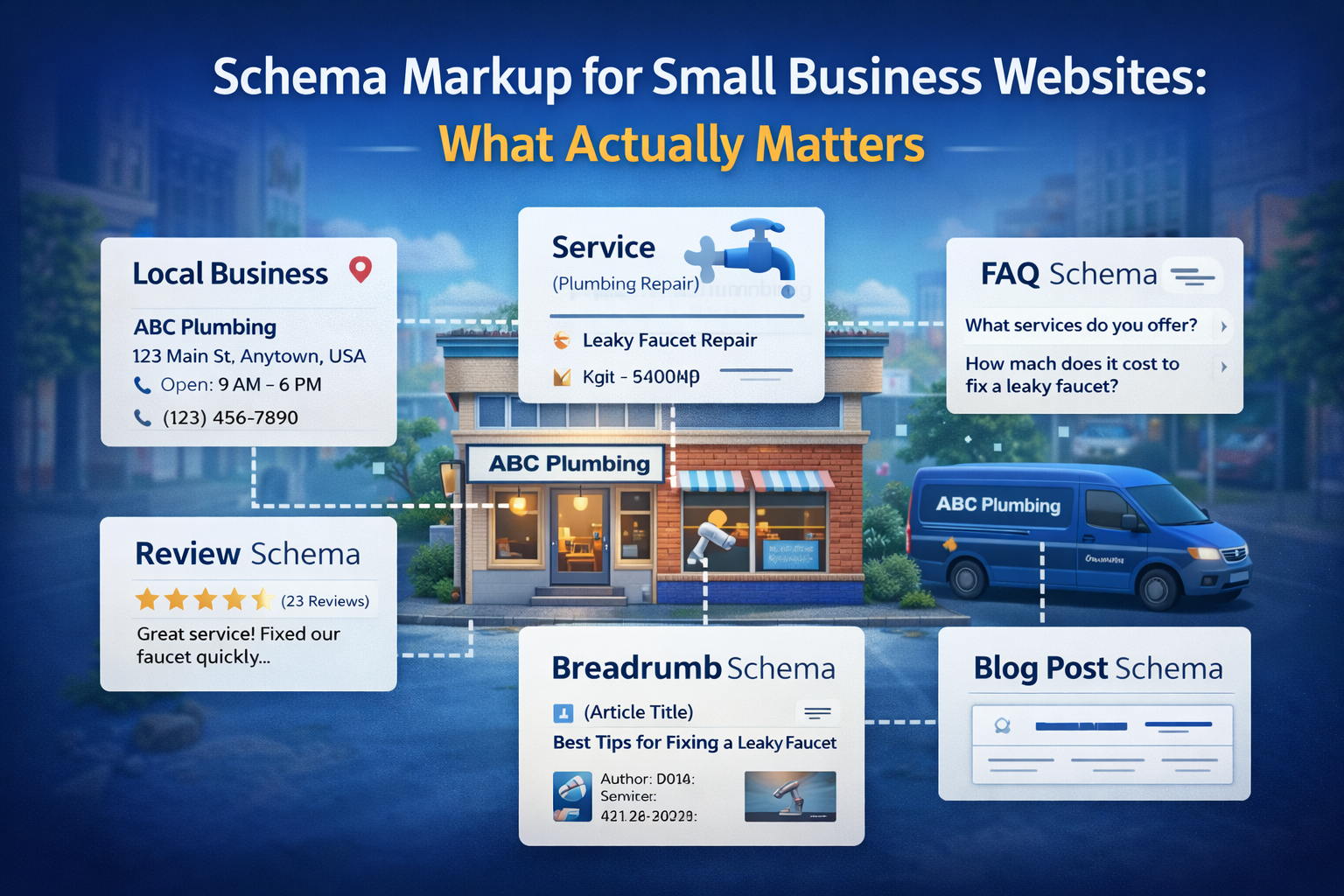
Small business owners will describe SEO to you through their knowledge of keywords and blogs and backlinks. Only a small number of people will bring up schema markup during their conversation.
The truth consists of these elements:
Today’s search environment requires schema markup as an easy method for website owners to enhance their website understanding and search display through AI results and rich snippet content.
- ignore schema completely
- or try to add every type of schema without understanding its purpose
Websites can choose between these two options:
They completely ignore schema
They attempt to implement all types of schema without knowing its function
Both methods of operation fail to achieve their intended goal.
Schema.org serves to enhance your content through additional code by providing precise interpretation of your writing.
This guide explains how schema markup benefits small business websites through necessary elements and non-necessary elements and essential implementation methods which enhance visibility and drive customer interactions.
What Schema Markup Really Does
Let’s simplify it.
Schema markup functions as structured data which enables search engines to comprehend your website content beyond its textual information.
The system enables search engines to identify your business details including:
- your business type
- your services
- your location
- your contact details
- your content structure
The search engines receive a map which shows labeled points instead of unprocessed data.
The system does not provide “ranking boosts” yet it enhances these elements:
your pages display itself in search results
your site gains chances to obtain rich snippets
users will click through
trust elements for your site
the AI system will understand your search requests better
The things which affect performance work through indirect methods.
The Importance of Schema Now
People search for information differently today.
Users don’t just click links anymore—they:
- read answers directly in search
- compare businesses quickly
- rely on visible trust signals
- expect instant clarity
People now search using methods which allow them to:
understand entities as search engines process content
interpret content through structured data
create automatic content summaries with AI
Websites which use clear design with organized content and defined elements will implement design advantages.
Schema helps your business:
stand out in search results
tell customers your business is reliable
share information at a faster rate
improve local business reach
match AI-driven search requirements
The content remains possible to read but readers need more effort to understand it better.
The Schema Types That Actually Matter
Most small businesses don’t need 15 types of schema.
You need a focused setup that matches your business model.
The upcoming sections reveal which components function as essential.
1) Local Business Schema (Non-Negotiable)
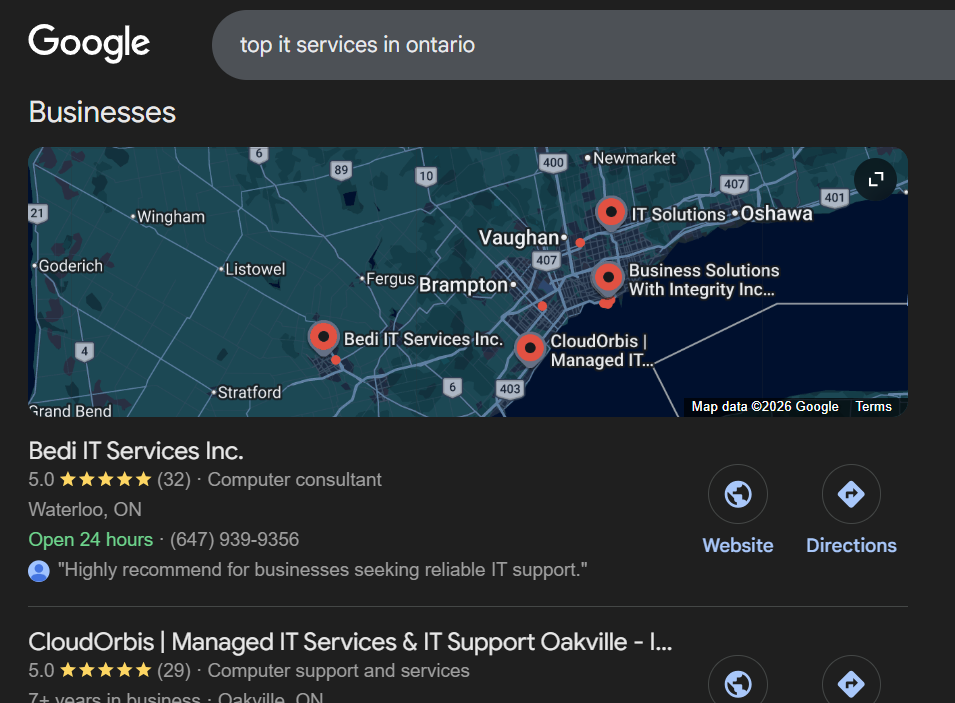
The business requires this element because their service area focuses on one particular location.
The search engines receive information about your identity through this system which confirms your business location and contact methods and your opening hours.
This element establishes the entire structure for local SEO work.
When implemented correctly, it supports:
local pack visibility
map results
consistent business information
trust signals
The site requires this script for:
homepage
contact page
If there’s one schema you shouldn’t skip, it’s this.
2) Service Schema (Defines What You Do)
Many small business websites describe services—but don’t clearly define them for search engines.
The service schema establishes a structured system which describes your offerings through information about the people who deliver services and the locations where service occurs.
This tool serves its best purpose for:
contractors
cleaning services
restoration companies
consultants
local agencies
The system improves search relevance through its functions:
- service-based keywords
location + service searches
AI systems understanding your offerings
Use it on:
service pages
location pages
3) FAQ Schema (Simple but Powerful)
The FAQ schema functions as an effective solution which enhances your website’s visibility through its easy application.
The system makes your content available for search results through its function to show questions which users can expand.
The system performs two main functions which benefit users and display producers because it handles user requests and improves visibility for content.
But here’s the key:
Only add FAQs that real users actually ask.
You should not include questions which appear frequently in other places.
Best use:
service pages
blog posts
landing pages
4) Review Schema (Builds Instant Trust)
Visible ratings create trust and people develop trust in businesses that display their ratings.
The review schema enables businesses to show:
star ratings
customer feedback
credibility signals
The system can decide which site to visit based on the user’s review system between your site and your competitor’s site.
But it must be used correctly:
only show real reviews
avoid misleading ratings
follow search engine guidelines
Best use:
homepage
key service pages
5) Article Schema (For Blog Content)
The article schema enables search engines to identify your blog content through its functions which explain the content background and author information and publication date.
The system supports:
better indexing
improved content clarity
eligibility for enhanced search features
The system provides basic functions which deliver essential content services for websites with extensive content.
6) Breadcrumb Schema (Structure and Navigation)
Breadcrumb schema shows how your pages are connected.
The navigation appears in this format:
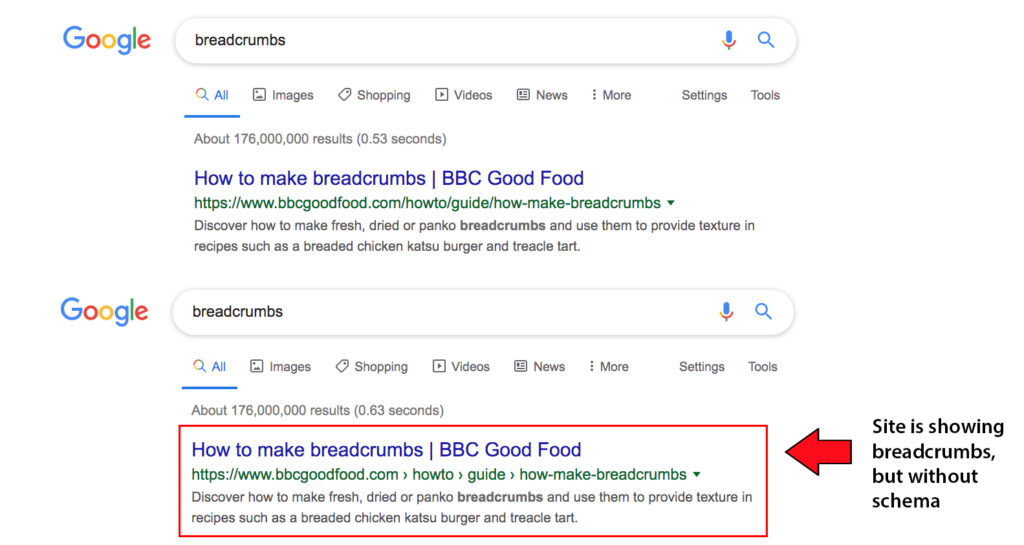
Home > Services > Water Damage Repair
The system helps users to navigate while it enables search engines to comprehend the site structure and it enhances the way your pages display themselves in search results.
The system provides basic functions which deliver essential content services for websites with extensive content.
What Most Businesses Get Wrong
Business owners believe that:
“More schema = better SEO”
That’s not true.
Common issues include:
- adding irrelevant schema types
- using multiple plugins that conflict
- duplicating structured data
- applying schema on the wrong pages
- leaving outdated business details
These errors lead search engines to misinterpret content instead of enhancing their understanding.
Businesses need clarity about their content rather than receiving excessive content quantities.
What You Can Skip (In Most Cases)
The following components may be ignored because they serve no specific purposes for your business:
- event schema
- product schema (if you don’t sell products)
- job posting schema
- complex technical schemas
Performance levels decrease when additional schema elements are added because they create output interference.
How to Add Schema Without Complexity
Manually coding schema elements becomes unnecessary for your business.
Most small businesses can use tools like:
Rank Math
Schema Pro
The tools assist you to:
- apply schema templates
- automate structured data
- reduce errors
- manage updates easily
The system requires proper configuration for all elements which people need to install.
A Simple Schema Setup That Works
If you want a practical setup, use this:
Core:
- Local Business schema
- Service schema
- FAQ schema
Add:
- Review schema
- Article schema
Optional:
- Breadcrumb schema
That’s enough for most small business websites.
You don’t need anything more to start seeing benefits.
How Schema Helps You Get More Leads
Schema is not just about SEO—it impacts user decisions.
When your search result shows:
- clear business details
- ratings
- FAQs
- structured information
Users feel more confident.
This leads to:
- more clicks
- more calls
- better engagement
- higher trust
In competitive local markets, these small advantages matter.
Schema markup is one of the simplest ways to improve how your website performs in modern search.
But success doesn’t come from adding everything—it comes from adding what matters.
Focus on:
- Local Business schema
- Service schema
- FAQ schema
- Review schema
Keep it clean, accurate, and relevant.
When done right, schema helps search engines understand your business—and helps customers choose it.