

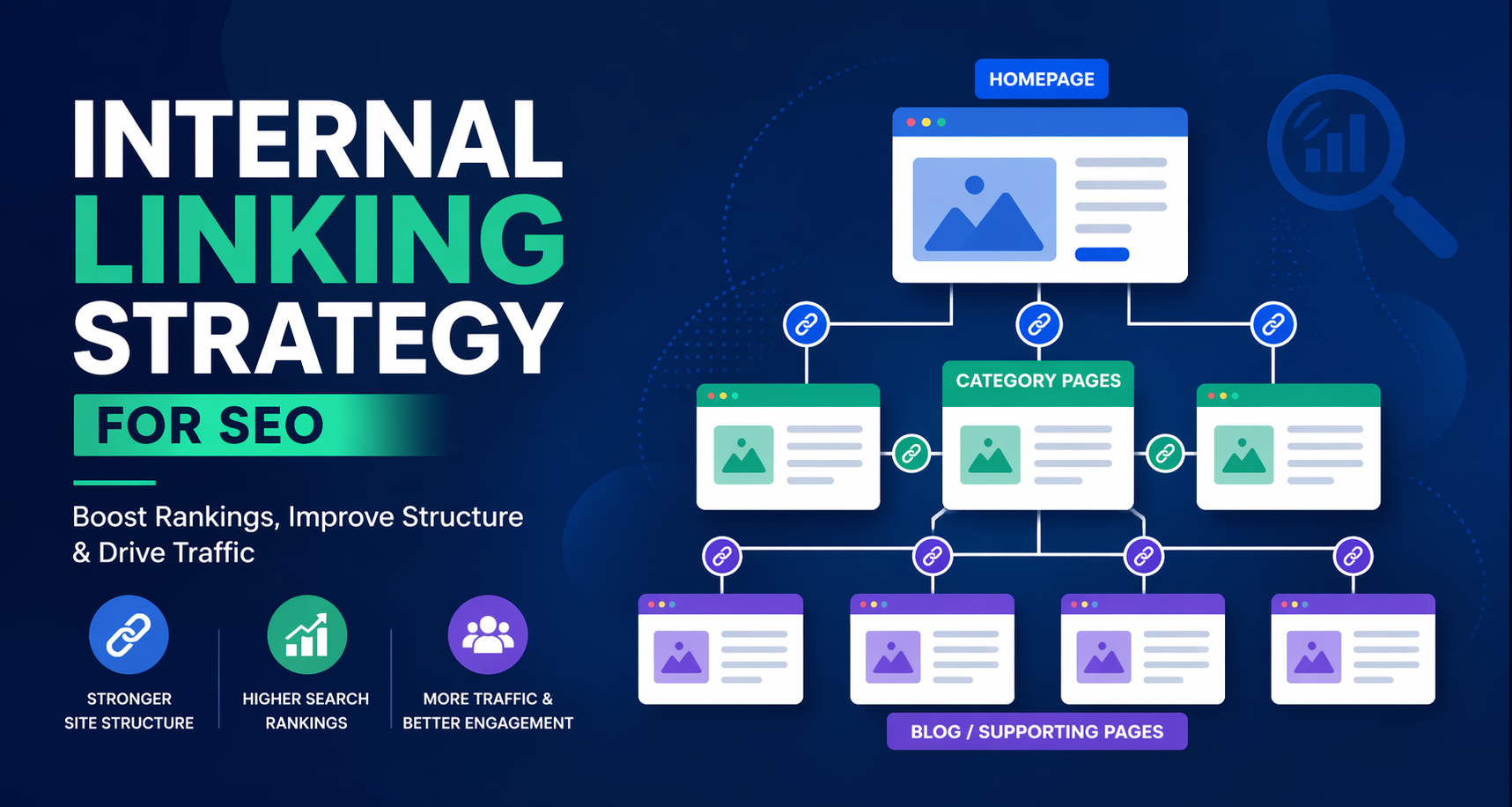
The process of search engine optimization requires that you pay attention to all aspects because it affects your ability to attract visitors who will use your site. The SEO technique of internal linking for SEO presents a simple way which yields major benefits with little work because it remains hidden from most people. Internal links create a network between your website’s pages which allows users to navigate through your site and helps search engines like Google determine which pages are important for their search results.
The internal linking system operates similar to city roads which enable people to move around the city while helping visitors to stay longer and search engines to find hidden parts of the site. This method increases the time visitors spend on your site while decreasing bounce rates and it helps distribute link equity to all your content which improves your search engine rankings and drives business growth. Your SEO results will improve through internal link mastery which you can achieve without needing expensive tools or budgetary resources on any type of website including blogs and e-commerce stores and service-based sites.
The guide will provide several internal linking strategy components through which people can achieve increased website traffic using actual examples.
Real-World Examples of Internal Linking Success
The effectiveness of internal linking becomes evident through its demonstration of real-world applications. The following practical examples show how this method turned regular websites into platforms which attract large volumes of visitors.
- E-Commerce Site Boosts Product Sales
The online clothing store faced difficulties because visitors left their site after viewing category pages. The store established an internal linking system which connected product pages to blog posts through their content about summer fashion trends. Visitors clicked through, spent 40% more time on-site, and sales jumped 25%. Search engines gave the site higher rankings for long-tail search terms such as “best summer dresses for vacations” because users found the site easier to navigate.
- Blog Network Expands Authority
A digital marketing agency blog linked cornerstone content on “SEO Basics” to pillar pages like “Keyword Research Guide” and “On-Page Optimization Tips.” The posts included 3-5 internal links which created a content silo around main topics. Their domain authority reached new heights after they moved link juice from their strongest pages to their weak pages which resulted in a 35% increase in organic traffic.
- Local Service Business Ranks Higher Locally
The security services firm used internal linking to connect its service pages with location-specific blogs about home security installation in Toronto. The content structure allowed for better crawling efficiency which resulted in the website gaining top positions for local search results. Google recognized the site solved user problems because bounce rates decreased by 20%.
The internal links for SEO create a flywheel effect because improved user experiences produce stronger signals which lead to better search engine rankings and ongoing business growth.
Key Points for Building an Effective Internal Linking Strategy
Ready to implement? Your internal linking strategy will achieve continuous website expansion when you follow these 11 points which have shown effective results through their use. The main aspects you should focus on to produce maximum impact are relevance and user value and SEO best practices.
1. Prioritize Contextual and Anchor Text Optimization
You should link to the linked page through natural sentence connections because you must maintain value for the reader. Replace vague anchor text like “click here” with specific text that describes the content of the link “learn advanced keyword strategies.” The search engines receive clear information about the page contents through this process which enhances the page’s topical relevance.
The optimal link density for each page stands between 2-5% because exceeding this amount will result in penalties for over-optimization.
The match between anchor text and user search intent requires the use of the exact phrase “internal linking benefits” for strategy guide purposes.
2. Build Content Silos and Pillar Clusters
The pillar page should link to cluster pages which contain specific subtopic information while the cluster pages link back to the pillar page. This system architecture enhances the website’s topical authority.
A pillar on “SEO for Beginners” links to the clusters on “internal linking” “external backlinks” and “technical SEO audits.”
The advantages include better crawl budget management and improved E-E-A-T (Experience, Expertise, Authoritativeness, Trustworthiness) and the ability to capture all search results for topic clusters.
3. Leverage Orphan Pages and Link Gaps
Crawlers cannot access many pages because they exist as “orphaned” pages which contain no internal links. The identification process starts with Google Search Console or site crawlers discovering the pages which get linked from popular pages.
High-authority pages exhibit linking shortcomings which need remedial work to establish links with thin content.
The solution requires you to create links which will appear in footers and sidebars and in the “related posts” section.
4. Use Breadcrumbs, Menus, and Footer Links Strategically
The website uses breadcrumbs (e.g., Home > SEO > Internal Linking) to improve navigation through the display of hierarchical pathways. The main menus and footers need updates which require you to add permanent links to essential pages.
Pro tip: Limit footer links to 10-15 to prevent dilution of equity.
The setup leads to quicker indexing results combined with lower bounce rates because users can understand the path structures.
5. Focus on User Signals and Metrics
Internal linking reaches its peak effectiveness when it puts the needs of users first. The testing process requires you to monitor three key metrics which include time on page and pages per session and conversion rates after implementation.
The testing process requires A/B testing of anchor text variations and link positions.
The content needs to be refreshed through quarterly audits which require you to create new links for your updated content.
6. Scale with Automation and Best Practices
The automation process for larger websites needs plugins (WordPress users should use Link Whisper or Yoast) which can automate internal linking. All links should stay on the same tab because this method ensures users will continue their engagement with your content.
You should not include JavaScript-only links on your page because crawlers experience difficulty with them and links should stay under 100 per page.
The tracking system enables you to count visitor traffic for linked pages through Google Analytics.
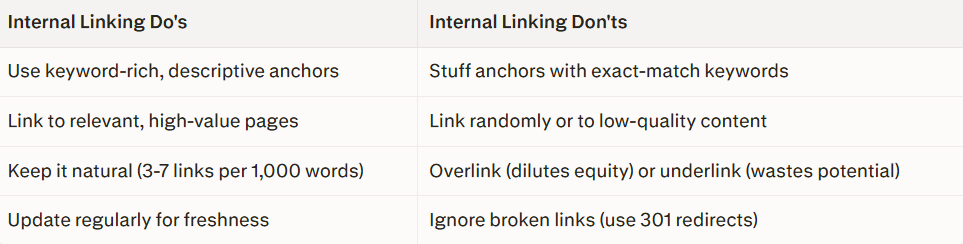
The implementation of these points creates a self-perpetuating cycle which results in improved PageRank distribution through additional links that generate better search engine rankings and drive organic traffic growth.
Conclusion
The basic nature of internal linking for SEO functions as a powerful method which enables all website users to enhance their online presence. The process of connecting your content improves user experience while creating better website crawling paths and increasing your site’s authority throughout the entire domain. Begin with a small task by auditing one pillar page today to establish three to five important links which will result in increased traffic metrics.
The power of the system comes from its ability to create better results through ongoing work which creates better outcomes across time. Explore the points, test them out, and build your website to achieve continuous SEO success. Your website’s growth journey starts with those first smart links.