
Introduction: Why Website Speed Matters More Than Ever
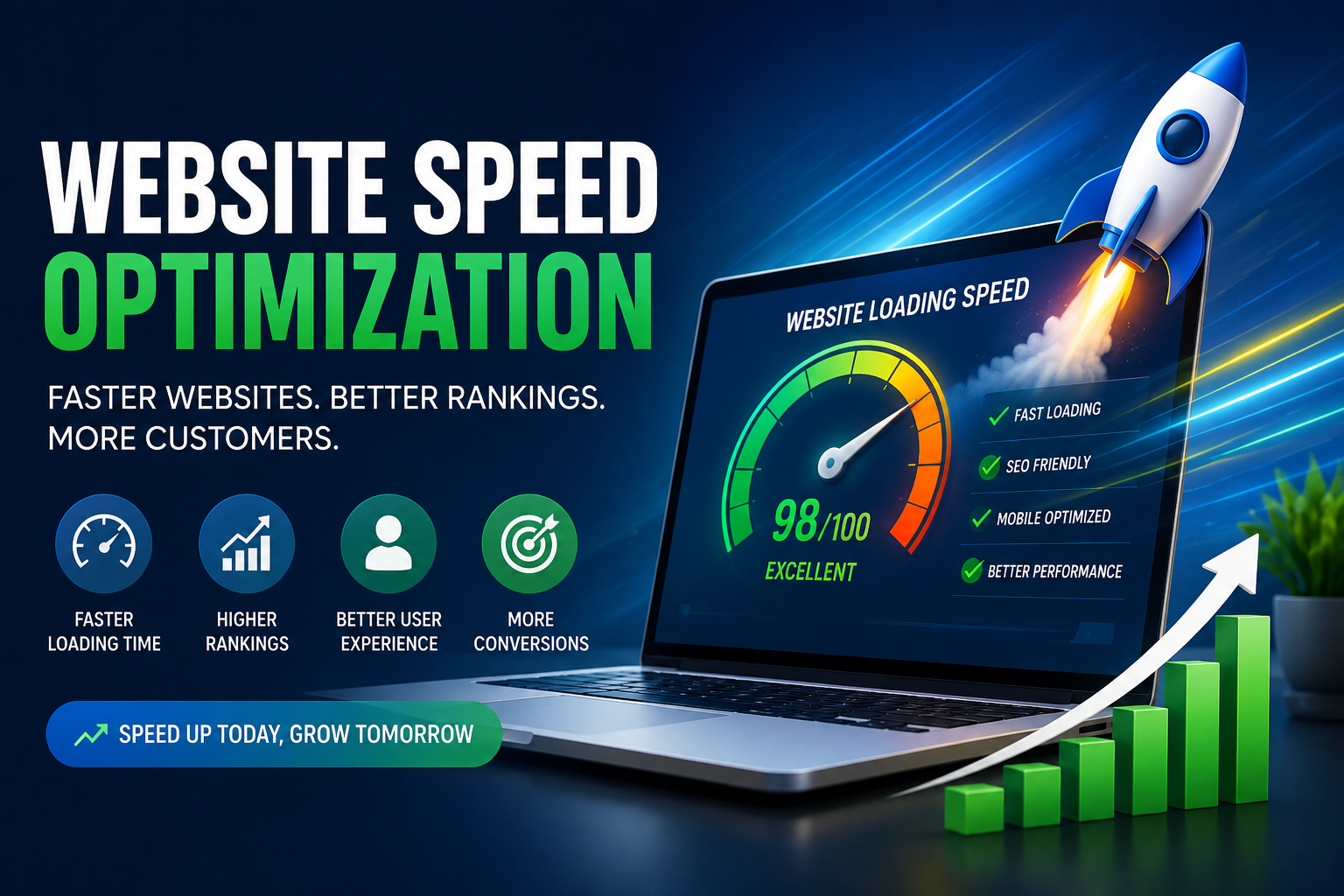
Website speed optimization has become one of the most important parts of building a successful online presence. Today’s users expect websites to load almost instantly, and search engines like Google reward websites that provide a smooth and fast experience. If your website is slow, users will leave before they even interact with your content, which directly affects traffic and conversions.
For businesses like Digital Growth Lab, website speed is not just a technical improvement—it is a growth strategy. A fast website improves visibility on search engines, builds trust with users, and increases the chances of turning visitors into customers. In a competitive digital market, speed can easily decide whether a user stays on your site or moves to a competitor.
Understanding Website Speed Optimization
Website speed optimization refers to improving how quickly your website loads and responds when users interact with it. It involves multiple elements such as server performance, image optimization, code efficiency, caching, and how content is delivered across different devices.
A well-optimized website creates a smooth experience where pages load quickly, images appear without delay, and users can navigate without frustration. On the other hand, a slow website creates a poor impression and increases bounce rates, even if the content is high quality.
Why Website Speed Impacts SEO and Rankings
Search engines aim to deliver the best user experience, and website speed is a major ranking factor. Google evaluates performance using Core Web Vitals, which measure loading speed, interactivity, and visual stability. If your website performs poorly in these areas, your rankings can drop even if your SEO content is strong.
Speed also affects user behavior. When a page loads quickly, users are more likely to stay longer, explore more pages, and engage with your content. This reduces bounce rates and increases session duration—both of which signal to search engines that your website is valuable.
A fast website also improves mobile performance, which is extremely important because most users now browse through smartphones. Slow mobile pages often lose traffic immediately, making speed optimization essential for SEO success.
Core Areas of Website Speed Optimization
Website speed is influenced by several technical and non-technical factors. Improving just one area is not enough—you need a balanced approach.
One of the most important factors is image optimization. Large images are often the biggest reason for slow websites. Compressing images, using modern formats like WebP, and loading images only when needed can significantly improve performance.
Another major factor is hosting quality. A slow server can delay everything on your website, no matter how optimized your design is. Upgrading to a reliable hosting provider ensures faster response times and better stability.
Caching also plays an important role. When caching is enabled, browsers store parts of your website so returning visitors can load pages much faster. Similarly, using a Content Delivery Network (CDN) helps deliver content from servers closer to the user, improving speed globally.
Other improvements include reducing unnecessary plugins, cleaning unused code, and minimizing JavaScript and CSS files. These changes may seem small individually, but together they create a significant performance boost.
Key Techniques That Improve Website Speed
There are several practical methods that consistently improve website performance. One of the most effective is image compression, which reduces file size without affecting visual quality. Lazy loading is another important technique where images load only when they appear on the screen, reducing initial page load time.
Caching and CDNs help reduce server load and improve delivery speed across different locations. Additionally, minimizing scripts and removing unnecessary plugins ensures your website runs smoothly without unnecessary background processes.
Here are some key improvements commonly used in speed optimization:
- Compress images and use modern formats like WebP
- Enable browser caching for repeat visitors
- Use a CDN for faster global delivery
- Remove unused plugins and scripts
- Minify CSS, JavaScript, and HTML files
These changes directly improve load time and user experience.
How Speed Affects User Experience and Business Growth
Website speed has a direct impact on how users perceive your brand. A fast website feels professional, reliable, and easy to use. On the other hand, a slow website creates frustration and often leads to users leaving without exploring further.
From a business perspective, speed optimization increases conversions. Whether your goal is leads, sales, or inquiries, a faster website reduces friction in the user journey. Even a delay of one second can significantly reduce conversion rates, which shows how important performance is for business success.
Speed also improves engagement. Users are more likely to browse multiple pages, interact with content, and return to a website that performs well.
Tools to Analyze Website Performance
Before improving your website, it is important to measure its current performance. Tools like Google PageSpeed Insights, GTmetrix, and Lighthouse help identify issues that slow down your website. These tools also provide actionable suggestions for improvement, making it easier to prioritize optimization tasks.
Regular testing ensures that your website continues to perform well even after updates or new content additions.
Common Mistakes That Slow Down Websites
Many websites suffer from avoidable performance issues. One of the most common mistakes is uploading large, uncompressed images. Another is using too many plugins or third-party scripts that slow down page loading.
Poor hosting, lack of caching, and not optimizing for mobile devices are also major reasons behind slow websites. Fixing these issues can often lead to immediate improvements in speed and performance.
Conclusion: Speed is the Foundation of Digital Success
Website speed optimization is not just a technical requirement—it is a critical part of SEO and business growth. A fast website improves rankings, enhances user experience, and increases conversions. In today’s competitive digital world, speed is one of the simplest yet most powerful advantages a business can have.
For companies like Digital Growth Lab, investing in website performance ensures better visibility, stronger engagement, and long-term online success. If your website is slow, you are losing valuable traffic every single day.